
Prepare a custom-profile or OEM brief
Bring the section and mating-part drawings, tolerances, material requirements and quantities so tooling and the delivered component can be reviewed.
Describe the section and the interface
Provide the section height/width or diameter, wall thickness where applicable, length, corner/interface details and critical tolerances. Solid rods and flat bars need diameter or width/thickness rather than a wall-thickness value.
Separate section development from machining
Identify whether an existing section is acceptable or the geometry requires tooling review. Provide order quantity and annual demand. Confirm tooling status, ownership and the approval process instead of assuming a similar-looking profile is immediately available.
Review material and structural use
State service exposure and material, fire, electrical or other requirements, identifying the required methods. Where the part carries load, include the supports, loads and connections. Generic profile or coupon data does not establish an assembly capacity or blanket EN13706 compliance.
Agree finished-component deliverables
List cuts, holes, end details, identification, inspection features and packing, with a drawing revision for each part. Confirm which operations and tolerances can be supplied before manufacture and who provides any further assembly or installation.
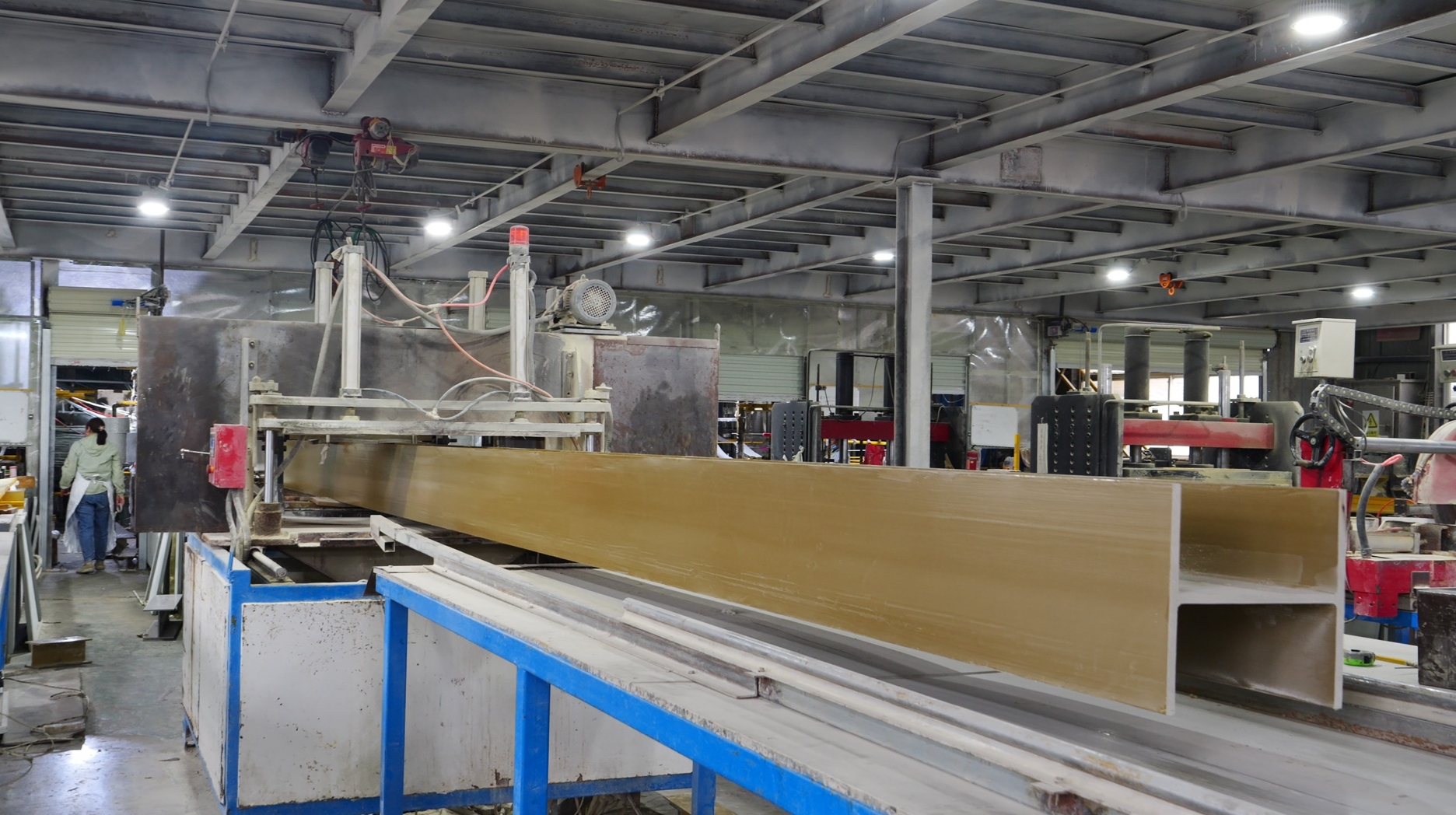
From a drawing to an agreed component supply
Compare grating quotations on the same basis
Review technical evidence · Send your project conditions
Relevant product families
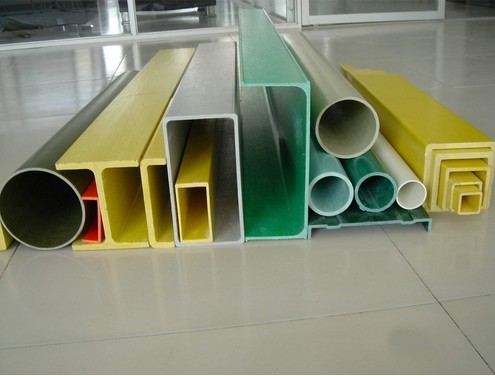 Pultruded FRP tubesPultruded FRP tubes for frame, rail and OEM component selection. Compare section shapes and dimensions, then send your drawing, cut lengths and quantities for supply review.
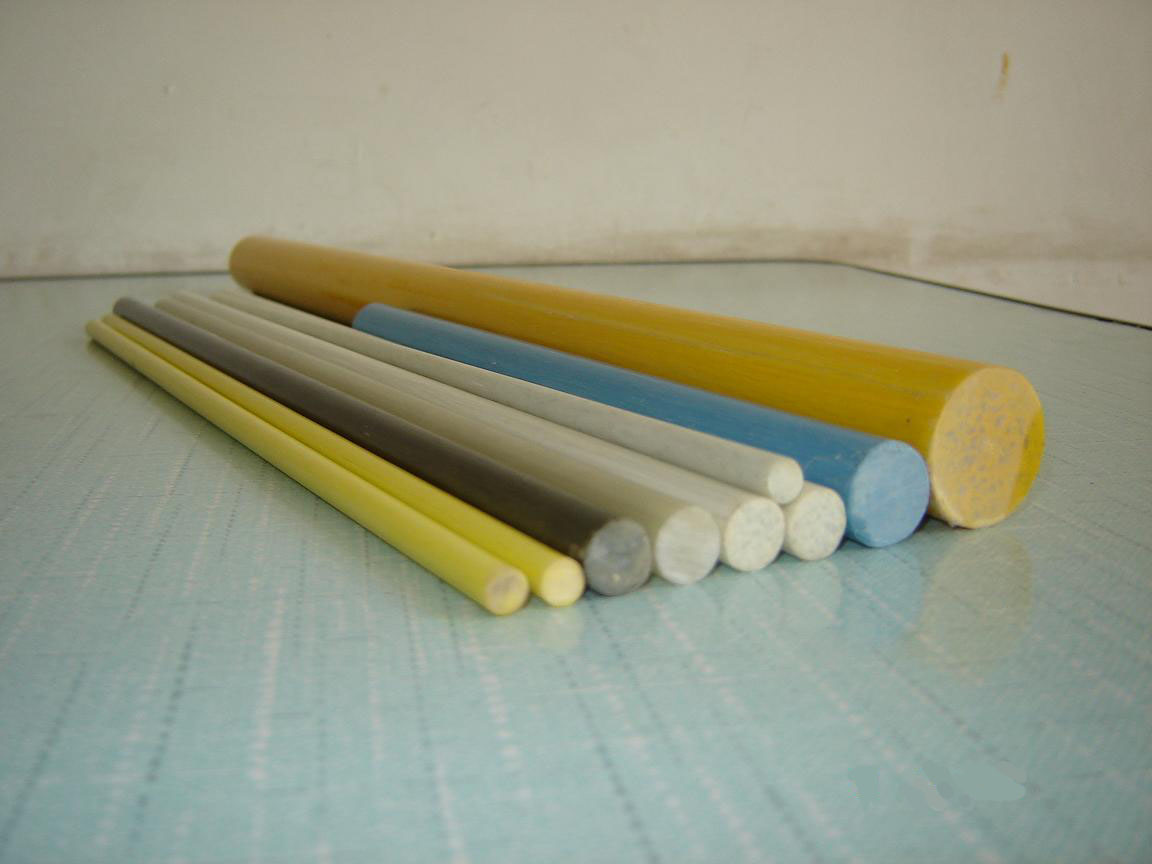 FRP rods & flat barsFRP solid rods and flat bars for fabricated components. Find a catalogue section, check its dimensions, then send your cut lengths, tolerances and quantities for quotation review.
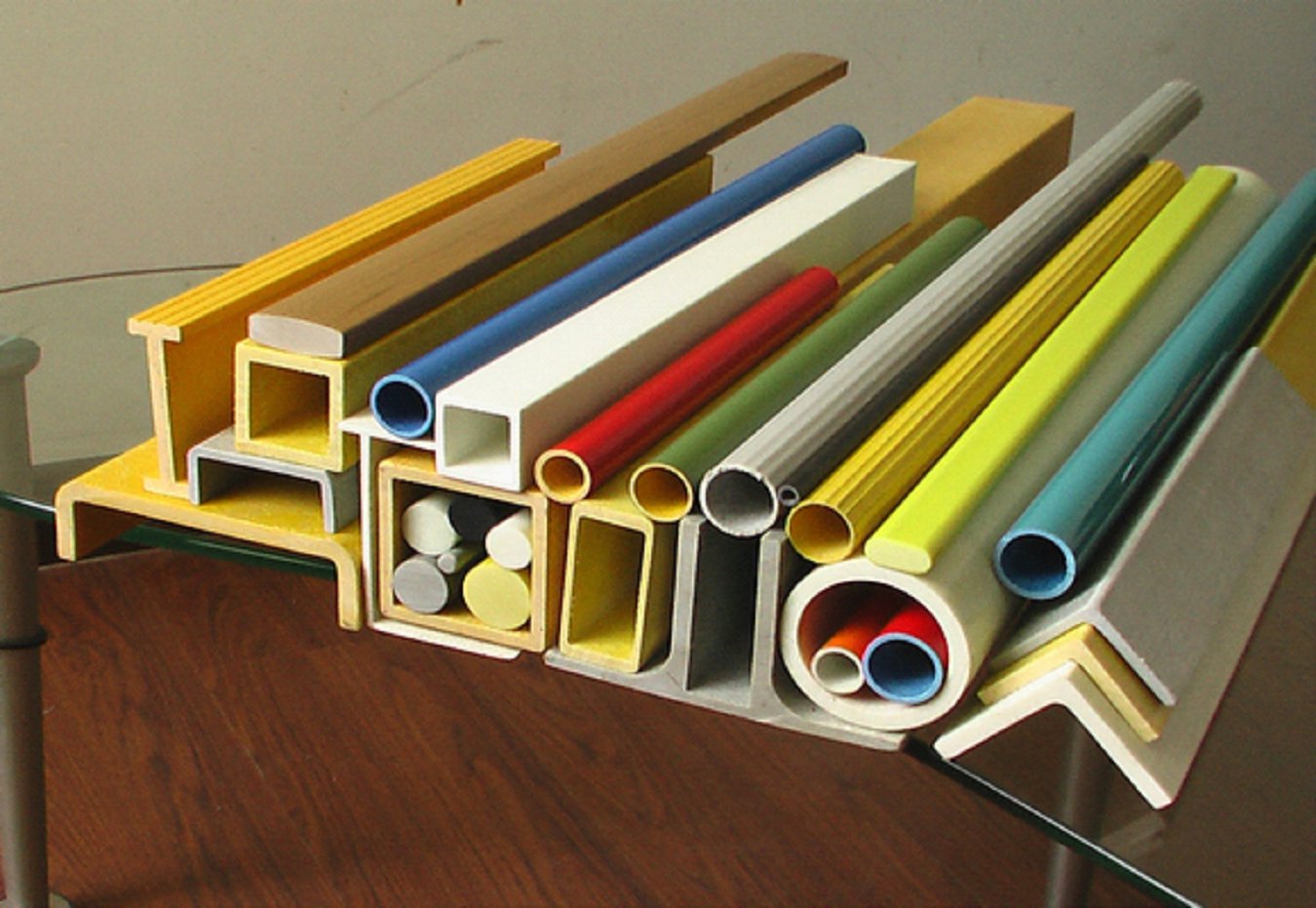 FRP beams & structural profilesFRP beams, channels and angles for fabricated structures. Compare catalogue sections, then send your drawing, connections and design conditions to define the supply and evidence you need.